
What Financial Help Is Available for an Emergency Vet Bill?
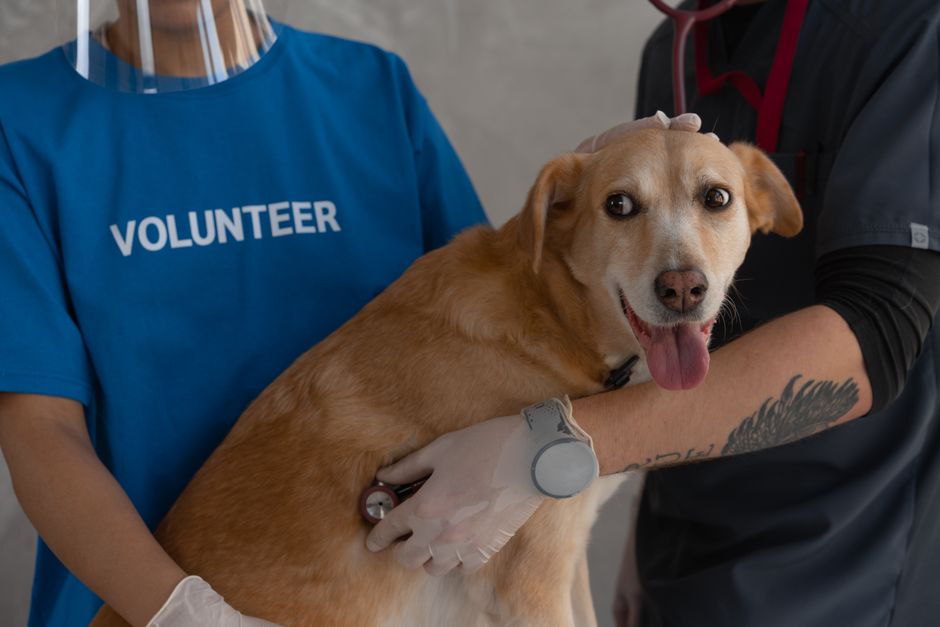
For a veterinary emergency, get the pet evaluated without delaying urgent care, then ask the treating clinic about payment arrangements and whether it can support an aid application. Grants often require a current diagnosis, treatment plan, itemized estimate, prognosis, and financial information; many do not reimburse care already completed. Eligibility, grant size, and payment destination vary sharply by program.
What financial help is available when I cannot afford an emergency vet bill?
The practical options are clinic-arranged payment arrangements, third-party financing or credit, local charitable resources, and condition-specific emergency grants. The American Veterinary Medical Association advises asking the veterinarian about the available care options; its guidance notes that many clinics offer payment plans, deferred payments, financing options, or credit plans. The clinic is therefore not merely the place where a bill arrives. It is the source of the medical documents that determine whether most aid programs can act.
Start by asking the treating clinic four direct questions: whether it offers a payment plan or deferred payment, whether it accepts third-party financing, whether it knows of local veterinary or humane-organization assistance, and whether a staff member can provide the records a grant needs. The American Veterinary Medical Association also points owners toward local veterinary medical associations and humane organizations for additional resources.
| Option | What the cited programs show | Critical limit |
|---|---|---|
| Clinic arrangements | Payment plans, deferred payments, financing, or credit plans may be available through the clinic. | Availability is determined by the individual clinic. |
| RedRover Urgent Care | Typical grants are $250 to $300 for qualifying life-threatening conditions and economic hardship. | Requests needing $500 or more to begin or continue treatment are ineligible. |
| Frankie's Friends | Grants for lifesaving emergency or specialty care can be up to $2,000 per pet per household. | Grants are not guaranteed and are paid to the treating veterinarian. |
| Veterinarian-facing aid | NCVMA Helping Hands may award up to $500; AVMF REACH may reimburse up to $1,000 per case. | The pet owner does not submit these applications directly. |
The distinction between emergency and non-urgent care is not cosmetic. RedRover excludes routine, ongoing, diagnostic, and follow-up care, while Frankie's Friends excludes initial exams and diagnostics used to determine prognosis or treatment. Aid is generally built around a documented emergency with a defined intervention, not an open-ended course of care.
Can a veterinary assistance grant pay for treatment that has already happened?
Usually no: several major emergency-aid programs restrict funds to care that has not yet been substantially provided, but AVMF REACH is a specific veterinarian-facing exception for qualifying charitable care already rendered. This is the rule that creates the most costly misunderstanding.
RedRover does not help when the animal has already received most or all treatment. Frankie's Friends is even more explicit: it does not reimburse payments already made and pays the treating veterinarian rather than the pet owner. Sage Compassion for Animals excludes services already performed or treatment completed before approval, including services on an estimate the owner has signed and approved for delivery.
There is one important contrast. The American Veterinary Medical Foundation REACH Program reimburses a veterinarian for charitable care provided within the prior two months, with no pre-approval required; however, pet owners cannot apply directly, and estimates are not considered. Its application must describe the case, care provided, and outcome. That is retrospective reimbursement for the provider, not a refund route for an owner.
NCVMA Helping Hands follows the prospective model as well: services already performed are generally unavailable, though emergency exceptions may be granted where timely intervention is required. Its member veterinarian, not the owner, submits the request. The conclusion is blunt: ask about funding before authorizing non-immediate components of treatment, but do not postpone care when a veterinarian identifies a dangerous delay.
What documents do pet financial-aid applications require?
Emergency-aid applications generally require current medical evidence from the treating veterinarian plus proof of the household's financial position and the clinic's payment details. Exact requirements differ, so use the program's own checklist rather than reusing documents from a different application.
RedRover requires a current diagnosis, treatment plan, and estimated cost from the veterinarian who will provide treatment. It also sets a household-income ceiling of $60,000 annually and requires both applicant and animal to live in the United States. Frankie's Friends requires an estimate from a veterinarian who has examined the pet, a clear diagnosis, a specific treatment plan, and a veterinarian-determined good prognosis.
Sage provides the most detailed model of the provider packet: a definitive diagnosis, prognosis, supporting medical records, recommended treatment plan, and an itemized estimate showing customary and discounted pricing. The treating provider must provide at least a 25% discount from customary pricing. Sage also requires evidence that eligible household members were denied CareCredit and ScratchPay or received insufficient credit; if credit is approved, it must be used before the grant fills the remaining gap.
- Current diagnosis and supporting medical records
- Recommended treatment plan and prognosis
- Itemized treatment estimate, including the clinic's pricing where required
- Clinic and treating-veterinarian details
- Income or hardship information when the program requires it
- Third-party credit application outcome when the program requires it
Keep the documents current and internally consistent. A grant reviewer is deciding whether the condition qualifies, whether treatment is defined, and whether the remaining funding gap is real. An estimate without a diagnosis can fail because the program cannot yet assess the treatment; a diagnosis without a current estimate can fail because the request lacks a concrete amount.
What should I do first when time is short?
Use a two-track sequence: medical triage first, funding triage immediately afterward. RedRover states that when any delay puts the animal at risk, the owner must seek care immediately. This does not mean that funding is irrelevant; it means the application process cannot become a substitute for veterinary judgment.
After the examination, request the documents before leaving or while the clinic is preparing the plan. Then ask which costs are immediate, which authorizations would prevent prospective grant eligibility, and whether the clinic can communicate with a fund directly. This approach also reduces administrative uncertainty, which can compound household strain; a daily routine for lowering everyday anxiety can be useful once the immediate veterinary decisions are settled.
Apply only to programs whose stated limits fit the case. A $250 to $300 typical RedRover grant and a grant of up to $2,000 from Frankie's Friends solve different portions of a bill. Neither figure is a promise of approval. The relevant question is narrower: does this program accept this condition, at this stage of treatment, with these records and this remaining balance?
Frequently Asked Questions
Will a pet charity pay my veterinarian directly?
Often, yes. Frankie's Friends states that it pays the treating veterinarian directly and never reimburses an individual. The payment method is program-specific, so confirm it with both the fund and the clinic before assuming a grant will reduce your bill.
Should I wait for financial aid approval before taking my pet to an emergency vet?
No, not when delay puts the animal at risk. RedRover says the owner is responsible for seeking immediate care in that circumstance, while its grant process requires current veterinary information. Obtain care first, then ask the treating clinic what funding routes remain available.
Do CareCredit and payment plans affect eligibility for veterinary grants?
They can. Sage requires applicants to show that eligible household members were denied CareCredit and ScratchPay or received insufficient credit, and approved credit must be used before a grant covers the remaining gap. NCVMA Helping Hands likewise requires an application for CareCredit or a similar third-party option as part of its request.