
What Daily Routine Can Help Lower Everyday Anxiety?
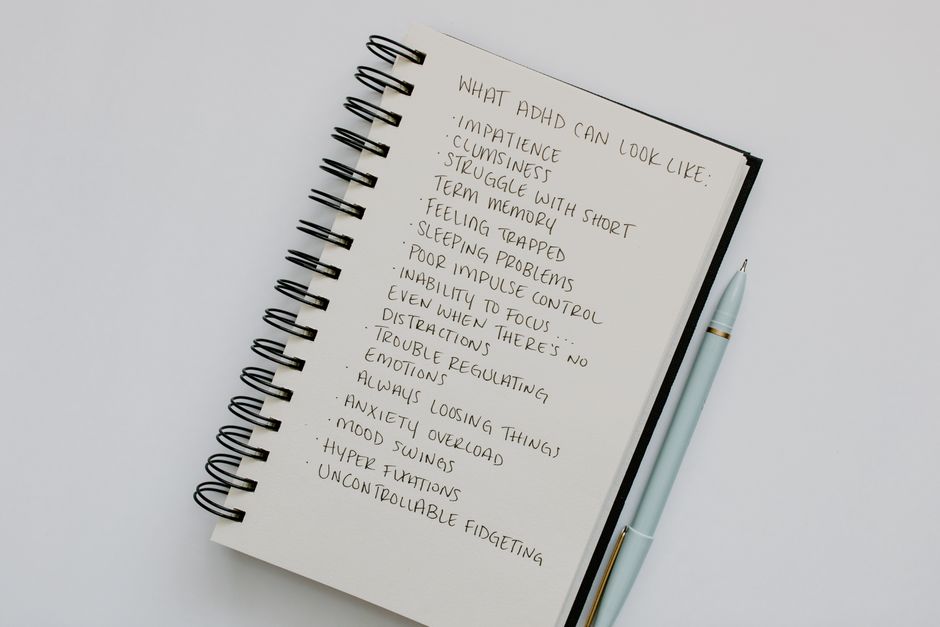
A sustainable anxiety-supporting routine is built from a few repeatable choices: regular meals and hydration, short bouts of movement, attention to caffeine and alcohol, a consistent sleep schedule, and a brief calming practice. These habits can reduce symptoms and support treatment, but they do not replace professional care when anxiety is severe, persistent, or disruptive.
The puzzle is that anxiety often produces an appetite for a dramatic fix, while the evidence points toward a quieter system: reduce avoidable strain, then repeat the basics long enough for them to become ordinary. The goal is not to engineer a flawless day. It is to create a day with fewer predictable accelerants.
What daily habits actually help reduce anxiety?
The daily habits with the strongest support in the sources are regular movement, adequate and consistent sleep, regular meals and hydration, mindful attention to caffeine and alcohol, and stress-management practices such as mindfulness or meditation. The National Institute of Mental Health recommends these choices as parts of mental-health self-care, and its guidance on generalized anxiety disorder is precise about their role: healthy choices can reduce symptoms when paired with standard care.
That distinction matters. A routine is a support structure, not a diagnosis or a treatment plan. NIMH identifies psychotherapy, medication, or both as typical treatments for generalized anxiety disorder, and states that lifestyle practices alone cannot replace treatment. Anxiety that is severe, distressing, lasts for 2 weeks or more, disrupts sleep, prevents usual activities, or makes getting out of bed difficult warrants a conversation with a health care professional.
A workable routine uses anchors rather than ambition. Morning can begin with water and a regular meal before deciding whether caffeine belongs in the day. Midday can contain a walk, stretching, or another accessible movement block. Evening can protect a repeatable wind-down: lower screen exposure, avoid a large meal or alcohol close to bed, and keep bed and wake times steady. This is less glamorous than a major reset. It is also more compatible with ordinary household life.
| Part of the day | Routine anchor | Evidence-based purpose |
|---|---|---|
| Morning | Regular meal, water, and notice caffeine's effect | NIMH recommends regular meals, hydration, and monitoring caffeine and alcohol for effects on mood and well-being. |
| Daytime | A manageable movement block | NIMH states that small amounts of exercise add up and need not occur all at once. |
| Evening | Consistent sleep timing and less screen exposure | NIMH and the CDC recommend consistent schedules; the CDC also advises turning off electronics at least 30 minutes before bedtime. |
Do not begin all of this at once. Change one anchor, observe it for a while, then add another. Trying to perfect food, sleep, exercise, screens, caffeine, and meditation simultaneously turns a supportive routine into another performance test.
Can exercise help anxiety even if I only have 10 minutes?
Yes, a short movement block can be worthwhile because NIMH states that small amounts of exercise add up, even when a full 30-minute walk is not practical. Ten minutes is a useful scheduling unit, not a guaranteed clinical threshold: the evidence supports fitting activity into available time rather than waiting for an ideal workout window.
The stronger claim comes from a 2024 meta-analysis of acute exercise, which combined 103 studies and 4,671 participants. It found decreased anxiety after a single exercise bout, assessed within 30 minutes, alongside improved general mood. But the researchers also found substantial variation between studies. The proper conclusion is not that a short walk will erase anxiety on demand; it is that movement is a credible part of the daily toolkit.
That nuance changes how to use the finding. Choose movement that is available and repeatable: a walk around the block, a few trips up stairs, gentle stretching, or a household task that gets the body moving. The routine succeeds when it is easy to resume after a difficult day. Consistency beats an elaborate plan that survives only on unusually calm weeks.
Exercise also belongs in the wider sleep system. The Centers for Disease Control and Prevention includes regular exercise among habits that can support sleep. If sleep comfort itself has become a practical barrier, the household considerations in this guide to choosing a clearance, closeout, or floor-model mattress may help with that separate decision.
Does caffeine make anxiety worse?
Caffeine can make anxiety worse for some people, and the evidence indicates that higher intake carries greater concern. A 2024 meta-analysis of caffeine intake and anxiety, drawing on 14 studies from eight articles and 546 healthy participants, found an association between caffeine intake and increased anxiety. The authors reported especially elevated anxiety risk when intake exceeded 400 mg.
This does not make caffeine a universal villain. NIMH instead offers a more useful operating rule: pay attention to how caffeine and alcohol affect mood and well-being, because decreasing either can help some people. The relevant question is empirical: does the pattern of coffee, tea, energy drinks, soda, sleep timing, and anxious sensations repeatedly move together?
Timing is part of the equation. The CDC advises avoiding caffeine in the afternoon or evening as part of better sleep habits. If caffeine appears to sharpen restlessness or disturb sleep, reducing the amount or moving it earlier creates a clean test without requiring a sweeping declaration about caffeine forever. Alcohol deserves the same scrutiny: NIMH advises monitoring its effect on well-being, while the CDC advises avoiding it before bed.
Sleep deserves priority because it is not merely an evening concern. A 2018 systematic review and meta-analysis on insomnia found that baseline insomnia predicted later onset of anxiety disorders across six studies, with an odds ratio of 3.23. The authors also reported moderate overall risk of bias in the primary studies, so the result supports making sleep a priority; it does not prove that fixing sleep will prevent anxiety in every case.
The practical implication is blunt: do not ask one habit to carry the whole burden. A daily routine works as a set of mutually reinforcing conditions: enough sleep opportunity, less late-day stimulation, regular food and water, manageable movement, and a deliberate check on substances that alter mood or sleep. If the routine is not enough, that is information, not failure. It is the point at which professional assessment and evidence-based treatment should enter the picture.
Frequently Asked Questions
What should I do when anxiety is worst in the morning?
Begin with one low-friction sequence rather than trying to solve the entire day: eat a regular meal, drink water, and take a short walk or other manageable movement break. NIMH recommends regular meals, hydration, and activity, while also advising people to notice how caffeine affects their mood and well-being. If morning anxiety is severe, distressing, or makes usual activities difficult, professional support is the appropriate next layer.
Can poor sleep make anxiety symptoms worse?
Poor sleep and anxiety are closely associated, although association is not proof that one causes the other in every person. A systematic review and meta-analysis published in 2018 found that baseline insomnia predicted later anxiety disorders in six longitudinal studies; the included research had a moderate overall risk of bias. A consistent sleep schedule and reduced pre-bed screen exposure are practical sleep-supporting measures recommended by NIMH and the CDC.
How long does it take for healthy habits to help anxiety?
There is no single timetable. A 2024 meta-analysis found lower anxiety within 30 minutes after one exercise bout on average across its studies, but the size of the effect varied substantially. Longer-term change depends on the person, the habit, and whether anxiety needs clinical treatment; NIMH notes that lifestyle practices can support, but cannot replace, standard care.
Sources
- National Institute of Mental Health: Generalized Anxiety Disorder
- National Institute of Mental Health: Caring for Your Mental Health
- PubMed: Affective Responses to Acute Exercise Meta-Analysis
- PubMed: Caffeine Intake and Anxiety Meta-Analysis
- PubMed: Insomnia as a Predictor of Mental Disorders Systematic Review and Meta-Analysis
- Centers for Disease Control and Prevention: About Sleep
Disclaimer: This article is for general information only and is not medical advice. It is not a substitute for diagnosis or treatment by a qualified healthcare professional. Always speak to your doctor before acting on anything you read here.