
How Do I Choose a Good Golf Instructor Near Me?
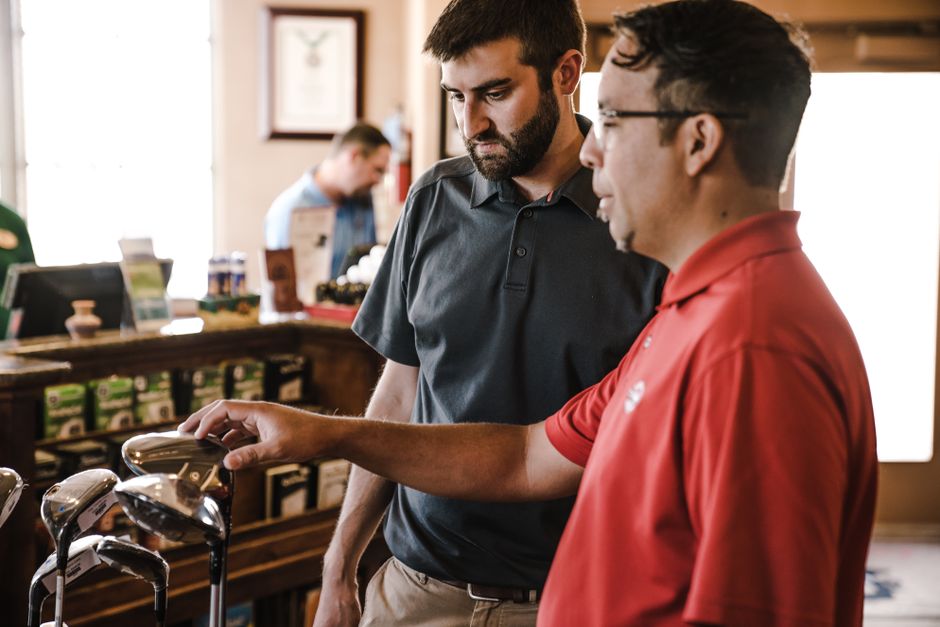
Choose a nearby golf instructor by matching the coach's credentials, experience with your player type, teaching process, and follow-up plan to your actual goal. Use a location-based professional directory, book one introductory lesson before committing to a package, and ask how the coach will set goals, assign practice, and measure whether your on-course or swing performance is improving.
How do I find a good golf instructor near me?
A good local instructor is one whose experience and method fit the golfer you are now, not simply the first name returned by a map search. Start with a professional directory that lets you search by location, then narrow the list by the kind of player you are and the outcome you want: beginning the game, improving existing skills, preparing a junior player, or developing a competitive game.
The PGA of America coach search provides location-based listings. When its page was retrieved, it listed 599 coaches, including 437 certified PGA of America Members. That does not prove that every listed member is the right teacher for every golfer. It does solve a more basic problem: you can verify an identified professional membership rather than relying only on an unstructured marketplace profile.
Then examine fit. The PGA coaching finder separates pathways for Beginner, Improving, Advanced, Juniors, Women, and Military & Veterans golfers. This distinction matters because a beginner who needs a repeatable way to get the ball in play is not purchasing the same service as a competitive player who needs strategic and statistical review. Ask prospective coaches which of their current programs most resembles your situation, and ask them to describe the first few lessons without promising a particular result.
Referrals and reviews can identify names worth investigating, but they cannot answer the decisive question: can this coach explain a process you can follow? A review describes another golfer's experience; a trial lesson exposes the coach's communication, priorities, and ability to adapt. For an adult balancing recreation with the rest of life, a lesson plan that fits the practice time actually available is more useful than an ambitious plan that cannot be repeated. The same logic underlies a daily routine that reduces everyday anxiety: consistency depends on a routine that can survive an ordinary week.
Should I take one golf lesson before buying a package?
Yes: take a single introductory lesson before buying a package unless the coach has already made the goals, format, practice expectations, and review process clear enough for you to evaluate them. The PGA explicitly distinguishes a 1:1 Intro Lesson, a Private Lesson, and Beginner Clinics, and describes coaching programs as tailored to a player's goals, skill level, and pace. The introductory session is therefore not a ceremonial first step; it is the evidence-gathering stage.
Use that session to observe the coaching system. Did the instructor ask what you want from golf and how often you can practice? Did the lesson settle on one or two priorities, or generate a catalogue of corrections? Did you leave knowing what to do before the next meeting? A package should buy a sequence of diagnosis, practice, reassessment, and adjustment. If it is merely several isolated appointments sold in advance, the package has not yet earned its commitment.
| What to evaluate | Useful evidence after an introductory lesson |
|---|---|
| Goal setting | Your goal is stated in plain language and linked to the next lesson or practice period. |
| Practice plan | You know what to practice, why it matters, and how the coach will revisit it. |
| Communication | The explanation is understandable without relying on jargon or a long list of positions. |
| Progress review | The coach identifies what will be assessed later: technical skill, playing skill, strategy, or relevant data. |
This structure aligns with the USGA THRIVE framework, which integrates technical skills, strategy, playing skills, statistical analysis, and mutually agreed purposeful practice plans. The central phrase is mutually agreed. A coach can supply expertise; only the golfer can confirm whether the plan fits the available time, access to a range or course, and reason for playing.
Progress should also be defined before the package begins. For one golfer, improvement may mean more reliable contact. For another, it may mean a clearer decision process on the course. The USGA framework supports goal setting and assessment, so ask the coach what evidence would show that the current plan is working and when the two of you will reconsider it. Vague reassurance is not a measurement system.
What questions should I ask a golf coach before booking?
Ask questions that reveal how the coach converts your goal into practice and assessment, because credentials alone cannot tell you whether the instruction will be usable. The strongest answers are specific: they identify the golfer type, the early priority, the practice expectation, and the point at which progress will be reviewed.
- Which golfers do you teach most often: beginners, improving high-handicap players, juniors, or competitive players?
- What would you need to learn about my goals and available practice time before recommending a package?
- What would the first lesson establish, and what should I practice before the second?
- How do you decide whether to work on technique, playing strategy, or a practice habit first?
- How will we assess progress during a package, and what would cause the plan to change?
- What feedback is included between lessons, if any?
- Do you use video or a launch monitor, and what decision will that information help us make?
The last question prevents a common mistake: treating more measurements as better instruction. The PGA TOUR notes six launch-monitor factors for amateurs to focus on: face angle, club path, impact location, attack angle, low point, and carry. That is already enough information to overwhelm a new golfer. Ask the instructor which one or two readings matter now and how they translate into a practice task. Data without an instructional decision is decoration.
For juniors and players pursuing structured competition, professional affiliation can carry additional weight. The USGA's THRIVE certification requirements state that coaches must hold LPGA, PGA of America, or LPGA/PGA Tour Member status, as well as complete SafeSport training, a background check, THRIVE training, and other certification requirements. The implication is precise: a credential is meaningful evidence of preparation, particularly in a youth-development setting, but it is not a substitute for asking how that coach will teach your golfer.
The final test is simple. Before purchasing several lessons, you should be able to repeat the proposed goal, the next practice action, and the method for reviewing progress. If those three things remain unclear, buy information first, not a package.
Frequently Asked Questions
Do I need a PGA or LPGA certified golf instructor?
No source establishes that every effective instructor must hold a PGA or LPGA credential. However, professional affiliation is useful evidence to check, especially for junior or competitive-player coaching: the USGA requires LPGA, PGA of America, or LPGA/PGA Tour Member status for its THRIVE-certified coaches, alongside SafeSport training, a background check, and further requirements. Treat the credential as one part of the decision, then examine the coach's fit for your goals and process.
How much should beginner golf lessons cost?
The provided sources do not establish a typical price or a reliable price range for beginner golf lessons. Ask each local coach for the price of a single introductory lesson, the length of the session, what follow-up is included, and the terms of any package before comparing offers. A lower package price is not automatically better if the coach cannot explain the plan for practice and review.
Should I choose an instructor who uses video and launch-monitor technology?
Choose technology when the instructor can convert its readings into a small, useful practice priority. The PGA TOUR identifies face angle, club path, impact location, attack angle, low point, and carry as six launch-monitor factors amateurs can focus on, while the USGA treats launch monitors and statistical tools as supports for long-term development rather than the objective itself. Video and data should clarify a decision, not create a longer list of swing thoughts.
Sources
Read next
How Can I Enter the 2026 World Cup Ticket Draw and Avoid Scams?
A practical guide to FIFA's 2026 World Cup ticket draw, official resale options, transfers, and the scam signs that matter.

Should I Choose Senior or Regular Flex Golf Shafts?
Choose golf shaft flex, weight, material, and loft using launch data and performance rather than an age label.