
Do I Need Vitamin Supplements, and Which Tests Can Check for Deficiencies?
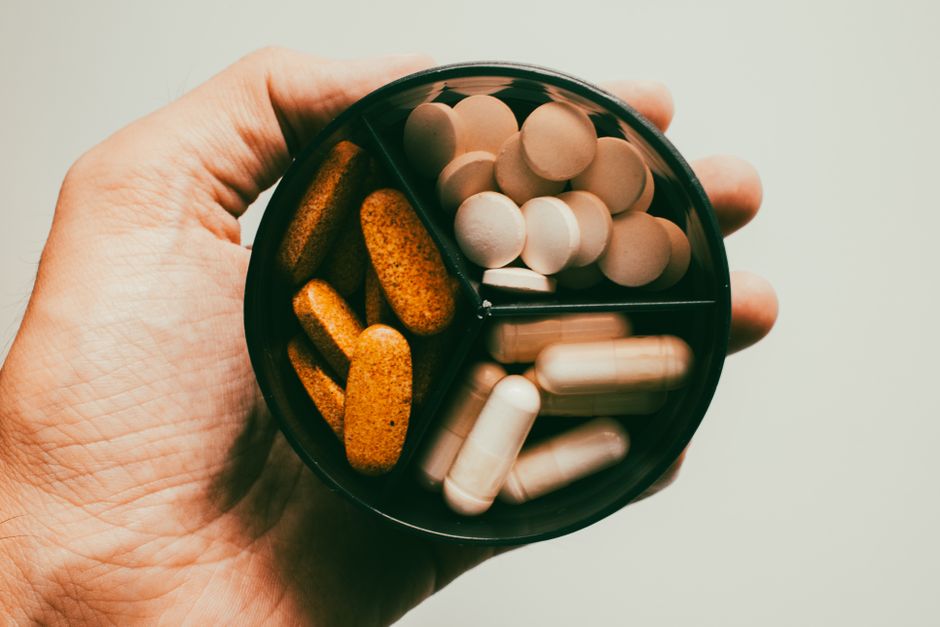
Whether you need a vitamin supplement depends on your diet, health and risk factors—not symptoms or a multivitamin label alone. A clinician can decide whether testing is appropriate; tests may include a vitamin D blood marker or vitamin B12 tests such as serum B12 and methylmalonic acid. High doses can cause harm, so supplements are best matched to a confirmed need and reviewed for interactions.
Should I take a multivitamin if I eat a balanced diet?
Not automatically. The NIH Office of Dietary Supplements explains that a supplement’s usefulness depends on your diet and individual needs, and recommended nutrient amounts include what you get from food and beverages. A multivitamin is therefore not a substitute for assessing what you actually eat or whether a specific risk factor applies.
For preventing cardiovascular disease or cancer, the U.S. Preventive Services Task Force says evidence is insufficient to determine the balance of benefits and harms of multivitamins for community-dwelling, nonpregnant adults. That finding is about prevention of those conditions; it does not decide care for someone with a known deficiency or special nutritional need. The Task Force recommends against beta-carotene or vitamin E supplements for that preventive purpose.
Targeted supplements and multivitamins answer different questions. When a deficiency is established, a clinician can match the supplement and amount to that finding; a broad multivitamin may contain nutrients that are not needed. The NIH advises working with a health care provider to assess whether a supplement is needed and what amount is appropriate. This is especially relevant if you take medicines, combine products, or have a health condition, because supplements can have unwanted effects or interact.
Diet history helps make testing purposeful. A strict vegetarian or vegan diet can raise the possibility of B12 deficiency, while digestive diseases, some surgeries and certain long-term treatments can affect B12 absorption. A restriction or risk factor does not prove a deficiency, but it gives a clinician a reason to consider whether assessment is warranted.
Which blood tests check for common vitamin deficiencies?
The right test depends on the nutrient and the reason for concern; there is no single blood test that checks every vitamin deficiency. For vitamin D, the NIH Office of Dietary Supplements identifies serum 25-hydroxyvitamin D, written 25(OH)D, as the main marker of vitamin D status. The related test for 1,25-dihydroxyvitamin D is generally not a good indicator of status.
Vitamin D thresholds require context. The National Academies’ Food and Nutrition Board identifies levels below 30 nmol/L (12 ng/mL) as associated with deficiency risk and 50 nmol/L (20 ng/mL) or more as sufficient for most people, according to the NIH Office of Dietary Supplements. These are thresholds from that source’s discussion, not a reason for every healthy adult to be screened: the Endocrine Society does not recommend routine 25(OH)D testing in healthy individuals.
For suspected B12 deficiency, MedlinePlus lists a serum B12 level and complete blood count (CBC) among possible tests. A clinician may also use methylmalonic acid (MMA) or homocysteine testing; in some cases, antibody tests for intrinsic factor or parietal cells help investigate the cause.
An MMA test measures methylmalonic acid in blood or urine. Higher-than-normal levels can indicate B12 deficiency, but MedlinePlus cautions that the MMA result alone does not show how severe a deficiency is; providers may interpret it alongside vitamin tests and homocysteine. The useful question is not simply whether one result is outside a reference range, but how the result fits the person’s symptoms, diet and health history.
Can I tell if I have a vitamin deficiency from symptoms alone?
No. Symptoms can point to a reason for evaluation, but they cannot reliably establish which nutrient is low—or whether a deficiency is present. MedlinePlus notes that B12 deficiency may cause fatigue, pale skin, shortness of breath, or numbness and tingling, while some people have no symptoms or only mild symptoms.
This uncertainty cuts both ways: feeling well does not always rule out deficiency, and having a symptom does not prove one. B12 risk factors include a strict vegetarian diet and conditions or treatments that affect absorption, such as pernicious anemia, Crohn disease, celiac disease, some stomach or intestinal surgeries, long-term metformin use, and long-term use of heartburn medicines. MedlinePlus also identifies adults older than 75, people with digestive disease, and people with alcohol use disorder among groups at higher risk.
Delay can matter. MedlinePlus warns that untreated, long-term B12 deficiency can cause nerve damage that may be permanent if treatment is delayed. That is a reason to discuss persistent or concerning symptoms and relevant risk factors with a health care provider—not to self-diagnose and start high-dose products. As the NIH Office of Dietary Supplements puts it: “Do not self-diagnose any health condition. Work with your health care provider to determine how best to achieve optimal health.”
Excess is not a harmless insurance policy. The NIH Office of Dietary Supplements explains that exceeding a nutrient’s tolerable upper intake level can cause harm; very high vitamin B6 doses can cause severe nerve damage, and too much iron can be fatal. Excessive vitamin D from supplements can cause high blood calcium, kidney failure and heart rhythm problems, and in extreme cases death. The USPSTF evidence review also notes increased lung cancer risk with beta-carotene in people who smoke or have occupational asbestos exposure.
Frequently Asked Questions
Is it dangerous to take vitamins when I am not deficient?
It can be. Supplements can cause unwanted effects, particularly at high amounts or when combined with medicines, other supplements, or certain health conditions. Excess vitamin B6 can cause severe nerve damage, too much iron can be fatal, and excessive vitamin D can cause toxicity.
Who is more likely to need vitamin supplements?
Risk depends on diet, absorption, health conditions, treatments, and life stage. Strict vegetarians or vegans and people with digestive diseases or certain stomach or intestinal surgeries are among groups at higher risk of B12 deficiency; a clinician can assess whether testing or supplementation is appropriate.
The practical sequence is straightforward: consider diet and risk factors, discuss whether a targeted test fits the situation, then use results and professional guidance to decide whether a supplement is needed. That approach distinguishes a documented nutritional need from a general hope that more vitamins must be better.
Sources
- NIH Office of Dietary Supplements: Frequently Asked Questions
- NIH Office of Dietary Supplements: Vitamin D Fact Sheet for Health Professionals
- MedlinePlus: Vitamin B12 Level
- MedlinePlus: Methylmalonic Acid (MMA) Test
- U.S. Preventive Services Task Force: Vitamin Supplementation to Prevent Cardiovascular Disease and Cancer
Disclaimer: This article is for general information only and is not medical advice. It is not a substitute for diagnosis or treatment by a qualified healthcare professional. Always speak to your doctor before acting on anything you read here.
Read next
What Should I Eat to Lose Body Fat Without Losing Muscle?
Build a flexible calorie-deficit eating plan with protein, satisfying meals, and realistic goals that support muscle while avoiding extreme restriction.

What Are Affordable, High-Protein Snacks If I Do Not Eat Meat?
Find affordable vegetarian and vegan protein snacks, with quick no-cook ideas, batch-prep options, and ways to make snacks more satisfying.

What Can I Eat During Chemotherapy When Taste Changes and Nausea Make Eating Hard?
Practical food strategies for metallic taste, nausea, poor appetite, mouth sores, and food safety during chemotherapy.

What Should I Eat for Osteoporosis If I Cannot Drink Milk?
A practical dairy-free food plan for osteoporosis or osteopenia, with calcium label checks, tofu guidance, and vitamin D context.